
Table of Contents
- What Causes Black Streaks on Roof Shingles in North Carolina
- Are Black Streaks Damaging Your Shingles?
- DIY Methods to Remove Black Streaks from Roof Shingles
- Why You Should Never Pressure Wash Asphalt Shingles
- Soft Wash Roof Cleaning in Charlotte: How the Pros Do It
- Roof Cleaning Cost in Charlotte NC: What Homeowners Should Expect
- How to Prevent Roof Algae Growth Long-Term
- Frequently Asked Questions
Last Updated: September 10, 2026
What Causes Black Streaks on Roof Shingles in North Carolina
Those dark bands running down your shingles are not dirt, and they are not the first sign of a failing roof. Black streaks are colonies of Gloeocapsa magma, a blue-green algae that feeds on the limestone filler in modern asphalt shingles. The algae lands as an airborne spore, settles on the north-facing slopes that stay shaded and damp, and spreads downward with each rain.
Charlotte’s climate is close to ideal for it. Summers run hot and humid, and the region sees long stretches of afternoon thunderstorms followed by days of lingering moisture. The Centers for Disease Control and Prevention guidance on mold and moisture makes the same point about damp surfaces generally: sustained moisture is what lets microbial growth take hold. A roof that stays wet for hours after a storm gives algae exactly the conditions it needs.
Why Charlotte’s Humidity Makes It Worse
Shade and moisture decide how fast algae spreads. Roofs surrounded by mature hardwoods, which describes a lot of older Charlotte neighborhoods, dry out more slowly than roof tops in full sun. Algae also survives winter here, unlike in colder climates where hard freezes knock it back. That means the streaks get a head start every spring.
Are Black Streaks Damaging Your Shingles?
The streaks themselves are mostly cosmetic, but the conditions that feed them are not. Algae holds a film of moisture against the shingle surface, and constant damp accelerates the granule loss that ages a roof. The granules are what block ultraviolet light from the asphalt underneath; once they wash away, the shingle dries out, curls, and fails early.
There is a second cost that homeowners notice first: curb appeal. A streaked roof reads as neglect, and it drags down the appearance of an otherwise well-kept house. If you plan to sell, that matters.
The honest answer is that black streaks are rarely an emergency. They are a maintenance problem with a deadline attached. Deal with them early and you protect the shingle; ignore them for years and you shorten the roof’s service life.
DIY Methods to Remove Black Streaks from Roof Shingles
You can remove light-to-moderate black streaks yourself with a few household and store-bought products, provided you work safely and stay off anything too steep to walk. The methods below are ranked from mildest to strongest. Always test a small area first, and never mix cleaning chemicals together.
| Method | Best For | Working Time | Effort Level |
|---|---|---|---|
| 50/50 vinegar solution | Light, early-stage streaks | 15-20 minutes | Low |
| Oxygen bleach spray | Moderate streaking on accessible slopes | 20-30 minutes | Medium |
| Store-bought roof cleaner | Heavier growth, larger areas | Varies by product | Medium |
The 50/50 Vinegar Solution
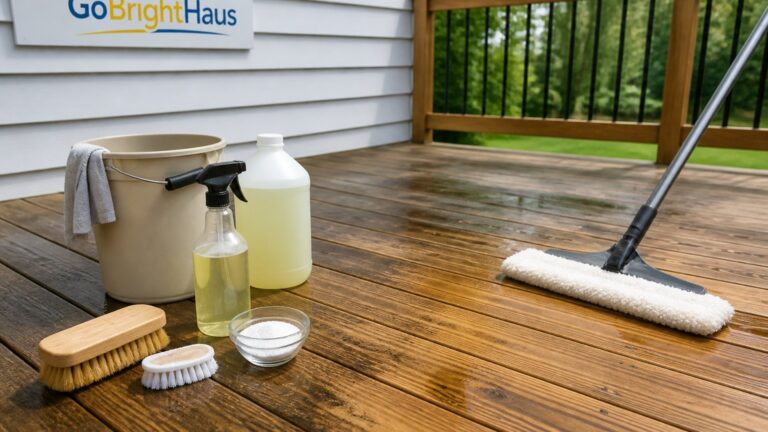
Mix equal parts white vinegar and water in a pump sprayer, apply to the affected shingles, let it sit for 15 to 20 minutes, then rinse with a garden hose on low pressure. Vinegar is mildly acidic, which is enough to break down the algae’s outer layer on light staining.
A common mistake is spraying on a hot, sunny afternoon. The solution evaporates before it works, and you waste the whole batch. Spray in the early morning or on an overcast day so the surface stays wet long enough to do its job.
Oxygen Bleach Spray
Oxygen bleach, sold as a powder you dissolve in water, is a step up from vinegar for moderate streaking. Follow the package ratio, apply with a pump sprayer, and let it dwell for 20 to 30 minutes before rinsing. It is gentler on landscaping than chlorine bleach, which is why it is the better DIY choice around flower beds.
Store-Bought Roof Cleaners
Pre-mixed roof cleaning products take the guesswork out of ratios. Look for a cleaner labeled for asphalt shingles and algae, and follow the directions exactly. These products work, but they are not cheap, and on a steep or two-story roof the risk of a fall outweighs the savings.
Never mix bleach with vinegar or ammonia (the CDC). The combination releases toxic gas. If you use chlorine-based products at all, wear eye protection and keep them away from plants, which they will kill on contact.
Why You Should Never Pressure Wash Asphalt Shingles
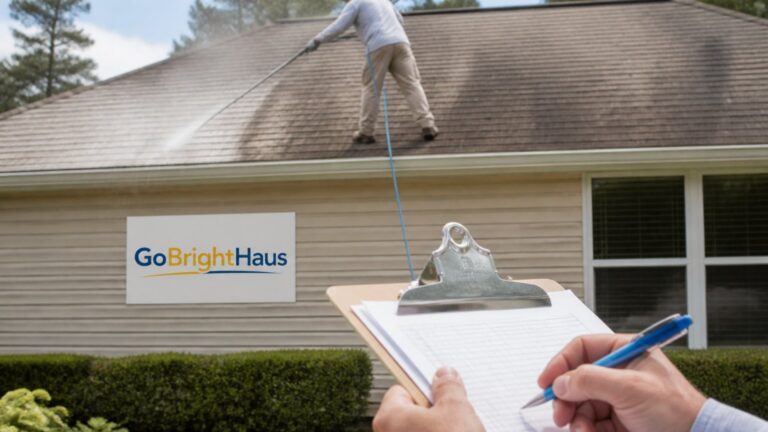
Pressure washing is the fastest way to strip the protective granules off an asphalt shingle, and it is the single most common mistake homeowners make on this job (asphaltroofing.org). The granules are the shingle’s armor. Blast them off and you expose bare asphalt to the sun, which shortens the roof’s life and can void the manufacturer’s warranty.
The damage often does not show up immediately. A roof pressure washed in spring can look fine through summer and start shedding granules by fall. By the time you notice, the shingles are already compromised.
Soft washing solves this. It cleans with low pressure and a cleaning solution, so the algae dies and rinses away without the surface ever taking a direct high-pressure hit.
Soft Wash Roof Cleaning in Charlotte: How the Pros Do It
Soft wash roof cleaning is a low-pressure method that applies a cleaning solution to kill algae at the root, then rinses it away gently, without the mechanical force that damages shingles. It is the approach manufacturers and reputable exterior cleaning companies recommend for asphalt roofs.
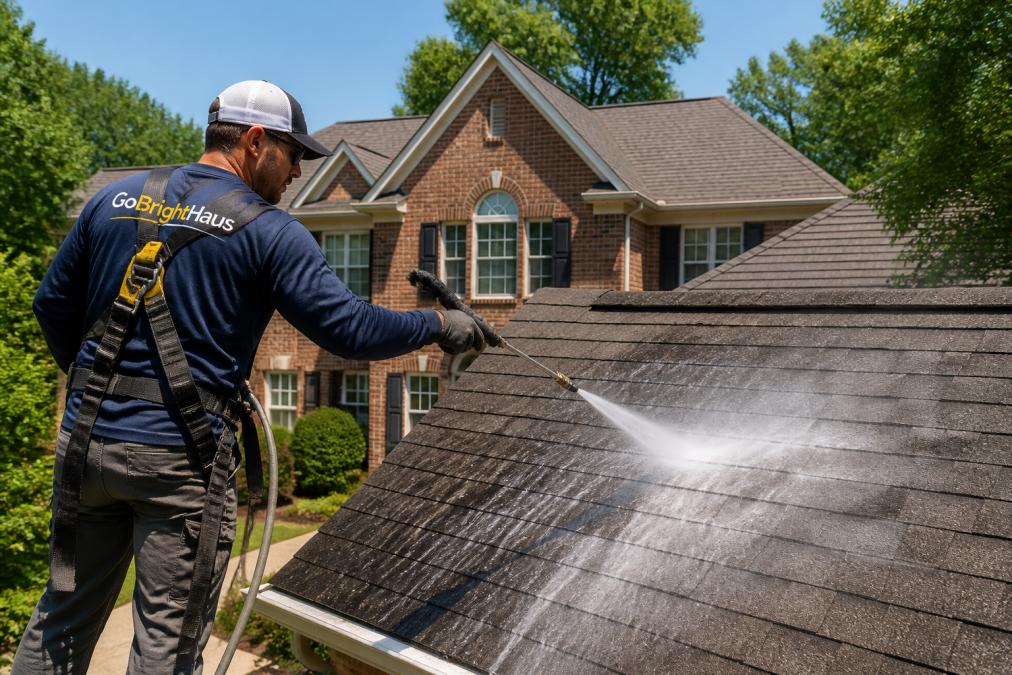
Here in Charlotte, that method matters because the algae will come back if the treatment only removes the stain and leaves the growth alive. A proper soft wash kills the organism, and the rinse carries the residue safely to the ground. If you would rather not climb a ladder at all, this is exactly the kind of work our team at Go Bright Haus handles as part of our exterior cleaning services.
Roof Cleaning Cost in Charlotte NC: What Homeowners Should Expect
Roof cleaning cost in Charlotte NC depends on roof size, pitch, how much growth is present, and how accessible the roof is. There is no single flat rate, and any company that quotes a firm number before seeing your roof is guessing. Expect the price to rise with a steeper pitch, more stories, or heavier algae coverage.
The better question is not “what is the cheapest quote” but “what does the quote include.” A low bid that skips the rinse or uses high pressure is not a bargain; it is a future repair. Ask any company you consider for proof of insurance, a clear description of the method they use, and references from local jobs. A soft wash that protects your shingles will cost more than a pressure wash, and it is worth the difference.
For current pricing on your specific roof, request a quote rather than relying on a generic online estimate.
How to Prevent Roof Algae Growth Long-Term
Prevention comes down to keeping the roof dry and treating new growth early. A few habits make a real difference:
- Trim back tree limbs that shade the roof and slow drying
- Clear debris from valleys and gutters so water does not pool
- Keep the attic and roof deck properly ventilated to reduce moisture
- Inspect north-facing slopes each spring, where algae appears first
- Treat light streaks early with a mild solution before they spread
- Schedule a professional soft wash every few years as routine maintenance
Some homeowners also ask about algae-resistant shingles at replacement time. They help slow new growth, but they do not make a roof maintenance-free, and existing streaks still need to be removed.
Black streaks are a maintenance signal, not a death sentence, and the fix is straightforward once you stop reaching for a pressure washer. If your roof is steep, two stories up, or already covered in heavy growth, the safest and most lasting result comes from a professional soft wash. Go Bright Haus is a fully insured, local team serving the greater Charlotte area, and we bring the same care to roof cleaning that we do to every exterior surface we treat. Get a quote.
Frequently Asked Questions
What causes black streaks on roof shingles in North Carolina?
Black streaks are caused by Gloeocapsa magma, a blue-green algae that thrives in humid climates. In North Carolina, the combination of warm summers and frequent moisture creates ideal conditions for this algae to grow on asphalt shingles. It feeds on limestone fillers in the shingles and spreads downward in streaks. While it starts as a cosmetic issue, it can shorten roof lifespan if left untreated.
Can I use a pressure washer to remove black streaks from my roof?
No. Pressure washing asphalt shingles forces water underneath them, loosens granules, and can void your roof warranty. The high pressure strips the protective layer and leaves shingles vulnerable to leaks and wind damage. Instead, use a soft wash approach with low pressure and a cleaning solution, or hire a professional soft wash roof cleaning service in Charlotte that follows manufacturer guidelines.
How much does roof cleaning cost in Charlotte NC?
Roof cleaning cost in Charlotte NC depends on roof size, pitch, and level of algae growth. Most homeowners pay for a professional soft wash service rather than risking DIY damage. For an accurate quote, contact a local exterior cleaning company like Go Bright Haus. They can assess your roof and provide pricing based on your specific property.
How often should I have my roof professionally cleaned in Charlotte?
Most Charlotte homes benefit from a professional roof cleaning every 2 to 3 years. Homes surrounded by trees or in shaded areas may need it more often. Regular cleaning prevents algae from returning and keeps shingles looking new. Pairing cleaning with preventive treatments can extend the time between washes and protect your roof investment.